Legal Spotlight on Munich Airport Stranding: Inquiry Launched Over Overnight Flight Delays
The recent incident at Munich Airport, where hundreds of passengers were forced to spend a frigid night stranded inside airplanes on the tarmac, has escalated from a weather-induced inconvenience to a full-blown legal inquiry. What began as a complex interplay of heavy snowfall, ice, and Germany's strict night flight regulations has now caught the attention of legal authorities, who are seeking to determine if any criminal culpability arises from the harrowing experience. This forced overnight stay, widely known in German as a "Zwangsübernachtung" at Flughafen München, has prompted authorities to meticulously review the events, communications, and decisions made during that chaotic night.
Police officials from Oberbayern Nord have confirmed that a comprehensive report detailing the sequence of events is being prepared for the Public Prosecutor's Office in Landshut. While this process is described as standard procedure, it underscores the seriousness with which authorities are treating an incident that left approximately 600 passengers across six flights in an unenviable predicament, confined to their aircraft for hours. Despite the absence of formal complaints from the affected passengers thus far, the investigation aims to provide clarity and accountability for an event that has sparked significant public discussion and concern regarding airport operational resilience during severe disruptions.
A Blizzard of Challenges: How Operations Grounded to a Halt
The chain of events leading to the mass stranding at Munich Airport on that Thursday was a perfect storm of environmental and operational hurdles. Unexpectedly heavy and persistent snowfall throughout the day led to widespread delays and cancellations, with around 100 flights being scrubbed altogether. Compounding the issue were prolonged de-icing procedures and intermittent closures of runways for snow removal, further exacerbating the backlog.
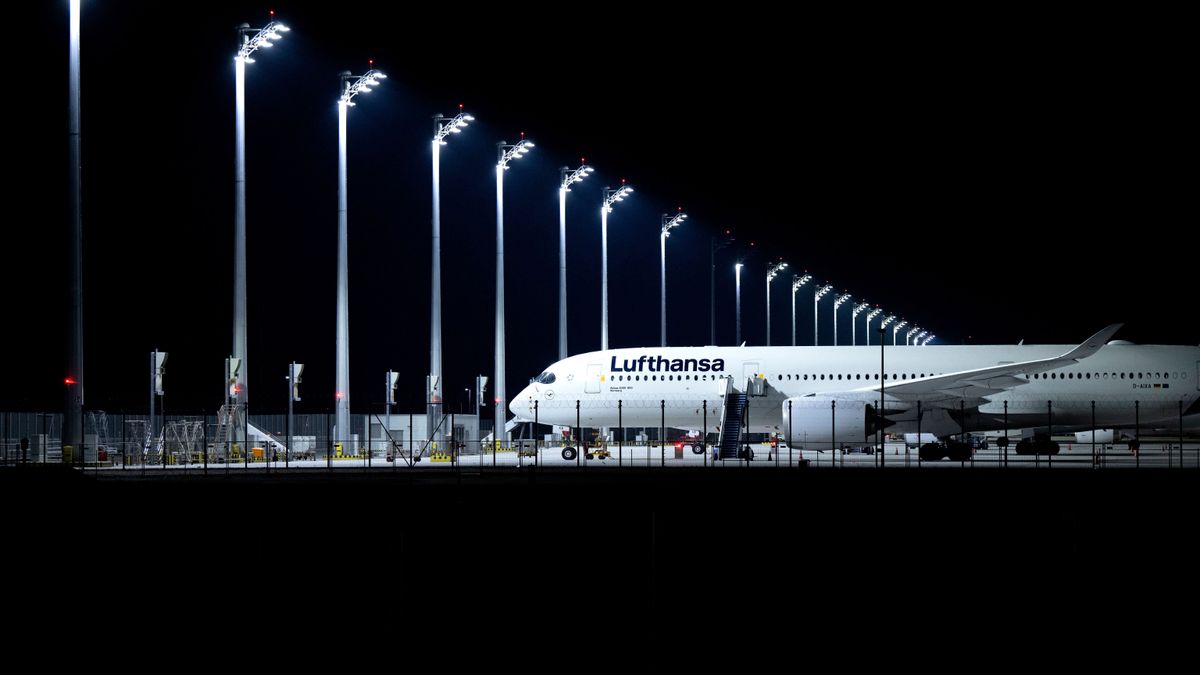
As evening descended, the situation intensified. While some flights received special permits to take off between midnight and 1 AM – a brief window circumventing the usual 00:00 to 05:00 night flight ban – several other aircraft, already boarded and prepared for departure, were ultimately denied clearance. These planes, now unable to depart and with terminals already overwhelmed by the day's cancellations, found themselves marooned on outer parking positions.
The airport operator confirmed that five of the affected aircraft belonged to the Lufthansa Group, with one operated by Air Arabia. The primary reason cited for passengers remaining onboard was the lack of available terminal gates and a severely restricted bus service during the late-night hours, which made it logistically challenging to transport hundreds of passengers from the remote parking positions back to the airport building. While assurances were made that passengers were supplied with provisions and that there was no danger, the experience undoubtedly caused considerable distress. For a deeper dive into the immediate aftermath and the reasons behind the stranding, you can read more at
Munich Airport Nightmare: Why 600 Passengers Stayed Overnight in Airplanes.
Unanswered Questions and Unheeded Warnings: The Fallout
Beyond the immediate apologies issued by both Munich Airport and the Lufthansa Group – acknowledging the "difficult and hardly comprehensible situation" for passengers and promising "appropriate compensation" – the incident has uncovered layers of operational questions and drawn sharp criticism from unexpected quarters. The German Firefighter Union, represented by its federal chairman Siegfried Maier, voiced strong disapproval regarding the failure to alert the airport fire department.
Maier emphasized that airport fire services, including those at Flughafen München, are equipped with specialized stairs designed precisely for evacuating passengers from aircraft in unusual circumstances on the tarmac. The lack of alarm, he argued, meant that a crucial resource that could have potentially aided in disembarking passengers earlier or more safely was not utilized. This revelation highlights a potential communication breakdown or a lapse in emergency protocols that the ongoing inquiry will undoubtedly scrutinize.
The airport’s explanation, citing limited bus services and communication issues as reasons for keeping passengers on board, doesn’t fully address why alternative measures, such as engaging the airport fire brigade, weren’t considered or implemented sooner. Such critiques point towards a need for improved inter-agency coordination and clearer decision-making frameworks during major disruptions. The specifics of the firefighters' critique and the broader implications for emergency response can be explored further in
Munich Airport Chaos: Firefighters Slam Handling of Overnight Plane Strandings.
Passenger Rights and Preparedness: Lessons from the Flughafen München Zwangsübernachtung
This challenging event serves as a stark reminder for travelers about the potential for unexpected disruptions and the importance of understanding one's rights and preparing accordingly. While airlines and airports strive for smooth operations, unforeseen circumstances like severe weather can quickly unravel even the best-laid plans.
For passengers caught in a similar "Zwangsübernachtung" or prolonged delay, several key aspects are crucial:
- Know Your Rights: Depending on your departure point and destination, regulations like EU261 provide clear guidelines on passenger rights regarding delays, cancellations, and denied boarding. These typically include the right to care (meals, refreshments, accommodation if an overnight stay is necessary) and potential financial compensation for significant delays.
- Stay Informed (as much as possible): While communication can be challenging during chaos, monitor airline apps, airport websites, and social media for updates. Ask crew members for information, but understand they may also be awaiting clarity.
- Pack Essentials: Always carry essential medications, important documents, and basic toiletries in your carry-on luggage. A portable charger for electronic devices can be invaluable for staying connected.
- Maintain Composure: While frustrating, remaining calm and cooperative can help facilitate smoother handling of the situation. Aggression rarely resolves the issue faster.
- Document Everything: Keep records of flight numbers, scheduled and actual times, communications from the airline/airport, and any expenses incurred due to the delay. This documentation can be crucial if you later need to file a claim for compensation.
- Consider Travel Insurance: Comprehensive travel insurance can provide an additional layer of protection, covering aspects not always fully addressed by airline compensation, such as lost non-refundable bookings or additional unexpected expenses.
Moving Forward: Ensuring Accountability and Resilience
The legal inquiry into the Munich Airport stranding marks a critical step towards understanding the full scope of what transpired and, crucially, preventing similar incidents in the future. The Public Prosecutor's Office will evaluate whether the actions – or inactions – of any individuals or entities reached a threshold that warrants criminal charges. While no specific details of potential charges have been publicly discussed, such inquiries typically look into negligence, breach of duty, or violations of safety regulations.
This incident underscores the complex challenges faced by major international airports operating under stringent environmental conditions and regulatory frameworks, such as night flight bans. It highlights the need for robust contingency plans that go beyond simple cancellations, encompassing efficient passenger care, effective inter-agency communication, and the swift deployment of all available resources, even during extreme weather. As the report is finalized and passed to the Public Prosecutor's Office, the aviation community and the traveling public will be watching closely for the outcomes, hoping that lessons learned from this forced overnight stay at Flughafen München lead to tangible improvements in airport resilience and passenger welfare.