Munich Airport Chaos: Firefighters Slam Handling of Overnight Plane Strandings
The recent events at Munich Airport, which saw approximately 600 passengers endure an involuntary overnight stay – a flughafen münchen zwangsübernachtung – inside stranded aircraft, have ignited a firestorm of criticism. What began as a weather-related operational nightmare has escalated into a broader debate about emergency protocols and accountability, especially now with the German Firefighters' Union publicly condemning the airport's response. This incident serves as a stark reminder of the complexities involved in large-scale airport disruptions and the critical importance of coordinated emergency planning.
A Winter Nightmare Unfolds: The Initial Stranding Event
The night of the incident, a Thursday, unfolded into a harrowing ordeal for hundreds of travelers. Heavy snowfall and treacherous icy conditions gripped Munich, leading to widespread flight delays and cancellations throughout the day. The airport, a major international hub, struggled under the relentless weather, with runways temporarily closed for snow clearing and de-icing procedures causing significant bottlenecks. Around 100 flights were ultimately canceled, but the most severe impact was felt by passengers whose journeys were almost underway.
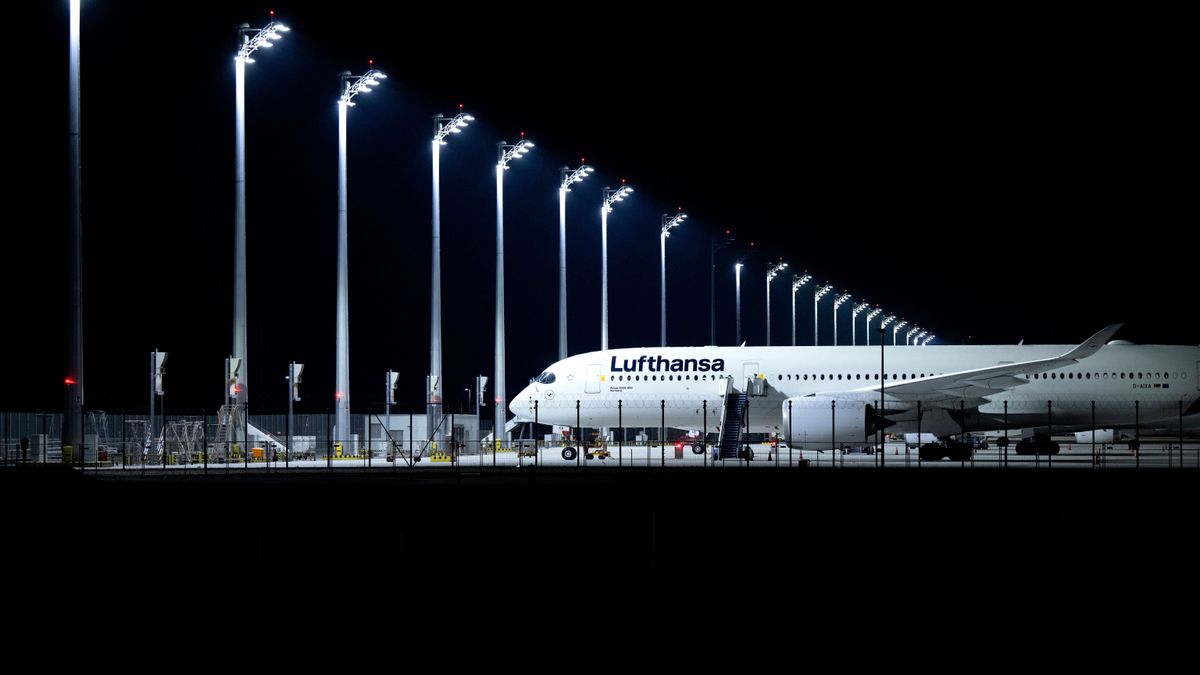
As midnight approached, the airport's strict night flight ban—in effect from 00:00 to 05:00—became a critical factor. While some flights initially received special permits to depart just before the cutoff, several already boarded and prepared aircraft were subsequently denied takeoff clearance. These planes, carrying around 600 passengers across six flights (five from the Lufthansa Group and one from Air Arabia), found themselves in an impossible situation. They could not return to the terminals because, according to airport officials, all available gates were occupied by other grounded aircraft from earlier cancellations. Consequently, the planes were directed to outer parking positions on the airfield.
Passengers were left in limbo, stuck on the tarmac. Munich Airport issued an apology, acknowledging the "difficult and barely comprehensible situation" for those affected. Both the airport operator and Lufthansa stated that passengers were continuously informed, that the aircraft remained heated, and that adequate power and provisions were supplied on board. However, the lengthy wait on the tarmac, coupled with what passengers described as insufficient communication and the limited availability of bus services in the dead of night, only exacerbated their distress. While assurances were given that there was no immediate danger to passengers, the experience of being confined to an aircraft for hours without the ability to disembark proved deeply unsettling. Meanwhile, legal proceedings have already been initiated, with the public prosecutor's office in Landshut launching an inquiry into the events. For a deeper dive into why these passengers were stranded, read our detailed article: Munich Airport Nightmare: Why 600 Passengers Stayed Overnight in Airplanes.
Firefighters Ignite Controversy: "Why Weren't We Called?"
Amidst the ongoing investigations and apologies, a new and particularly scathing layer of criticism has emerged from an unexpected but crucial quarter: the German Firefighters' Union. Siegfried Maier, the federal chairman of the German Firefighters' Union (Deutsche Feuerwehr-Gewerkschaft), publicly expressed his severe disapproval, specifically highlighting the alarming fact "that the airport fire department was not alerted."
This statement is more than just a procedural complaint; it points to a significant oversight with potentially serious implications for passenger welfare and emergency management. Maier underscored that airport fire departments, including the one at Munich Airport, are equipped with "special stairs to enable people to disembark from an aircraft in special situations." These specialized vehicles and trained personnel are designed precisely for scenarios where standard terminal access is unavailable or unsafe. The ability to quickly and safely disembark passengers from an aircraft on an outer stand is a fundamental aspect of airport emergency preparedness.
The lack of an alarm raises critical questions:
- Safety Protocols: Why were established protocols for passenger disembarkation in extraordinary circumstances not followed?
- Resource Utilization: A valuable and readily available resource—the airport fire department—was apparently sidelined, leaving passengers on board longer than perhaps necessary.
- Communication Breakdown: Did a critical failure in communication prevent the necessary departments from being engaged?
- Passenger Welfare: While passengers were eventually bussed to terminals, involving the fire department earlier could potentially have expedited the process and alleviated some of the discomfort sooner.
The firefighters' intervention adds a significant dimension to the ongoing inquiry, suggesting that beyond the challenges posed by weather and terminal capacity, there may have been internal failures in emergency response coordination and the utilization of available expert resources.
Unpacking the Blame Game: Who's Accountable?
The Munich Airport incident is a complex tapestry woven from adverse weather, stringent regulations, logistical bottlenecks, and communication challenges. Pinpointing singular accountability is difficult, as multiple entities bear some degree of responsibility for different aspects of the crisis.
- The Airport Operator: Flughafen München GmbH is responsible for overall airport operations, including runway clearing, de-icing procedures, gate management, and emergency response coordination. Their explanation regarding full terminal gates and limited night bus services points to critical infrastructure and logistical limitations. The firefighters' criticism directly targets the airport's handling of the emergency response.
- Airlines (Lufthansa Group, Air Arabia): While airlines are responsible for passenger care on board, they are also beholden to airport directives and air traffic control. Lufthansa stated they received instructions to return to an outer parking position due to a lack of available gates. Their role revolves around in-flight communication and provision of services to stranded passengers.
- Air Traffic Control (ATC): ATC dictates takeoff and landing clearances, as well as movements on the airfield. Their decisions regarding takeoff permits, especially with the night flight ban, were a direct factor in the planes being stranded.
- Regulatory Bodies: The night flight ban, while in place for noise protection, clearly presented an immovable obstacle once delays spiraled. Its rigid application in extreme weather scenarios highlights a potential conflict between environmental protection and passenger welfare during emergencies.
The ongoing legal inquiry, for which a police report is being compiled for the Landshut public prosecutor's office, will meticulously examine these interconnected factors. The firefighters' strong statement introduces a critical new element, shifting focus from merely operational challenges to potential systemic failures in emergency protocols. If the airport fire department, with its specialized equipment and training, was indeed not alerted, it represents a significant lapse that warrants serious investigation. For more details on the legal aspects, refer to our article: Munich Airport Stranding: Legal Inquiry Launched Over Overnight Flight Delays.
Lessons Learned and Future Preparedness: Avoiding Another Flughafen München Zwangsübernachtung
The Munich Airport debacle offers crucial lessons for airports, airlines, and regulatory bodies worldwide. Preventing a repeat of this kind of flughafen münchen zwangsübernachtung requires a multi-faceted approach focusing on improved infrastructure, refined emergency protocols, and enhanced communication.
For Airport Operators:
- Robust Contingency Planning: Develop more dynamic contingency plans for extreme weather, including designated emergency disembarkation zones and pre-arranged alternative transport solutions, even at night.
- Flexible Gate Management: Implement strategies to free up gates faster during disruptions, perhaps by moving non-operational aircraft to remote long-term parking more efficiently.
- Integrated Emergency Response: Ensure seamless, mandatory communication and coordination with all emergency services, including the airport fire department, at the first sign of a mass stranding event. Drills should regularly test these integrated protocols.
- Enhanced Communication Infrastructure: Invest in real-time communication systems that can reliably inform passengers both on board and in terminals, as well as external stakeholders like bus companies.
- Review Night Flight Ban Exceptions: Explore more flexible mechanisms for temporary exceptions to night flight bans in cases of severe operational disruption that would otherwise compromise passenger safety or welfare.
For Airlines:
- Proactive Passenger Care: Train crews for extended on-board stays, ensuring clear, empathetic communication and the availability of essential provisions (food, water, blankets) beyond standard flight requirements.
- Advocacy for Passengers: Actively engage with airport authorities and air traffic control to advocate for the swiftest possible resolution for stranded passengers, including pushing for disembarkation options.
For Passengers:
- Be Prepared: Always carry essential medications, power banks for devices, snacks, and warm clothing, especially when traveling in winter or through major hubs.
- Know Your Rights: Familiarize yourself with passenger rights under regulations like EU261, which provides for compensation, assistance, and re-routing in cases of significant delays or cancellations.
- Stay Informed: Use airline apps, airport websites, and social media for the latest updates, but also verify information independently where possible.
The criticism from the firefighters underscores a fundamental principle of emergency management: utilize all available resources effectively. The incident at Munich Airport highlights that while external factors like weather are uncontrollable, the internal response mechanisms and coordination between various agencies are well within human control. Moving forward, a transparent investigation into the failures, especially regarding the non-alerting of the fire department, and the subsequent implementation of robust, integrated solutions will be paramount to restoring public trust and ensuring that no passenger has to endure another involuntary night in a plane on the tarmac.